Design in the age of AI
Design was never about the tools. AI is about to make that painfully clear – and open doors for designers willing to evolve.
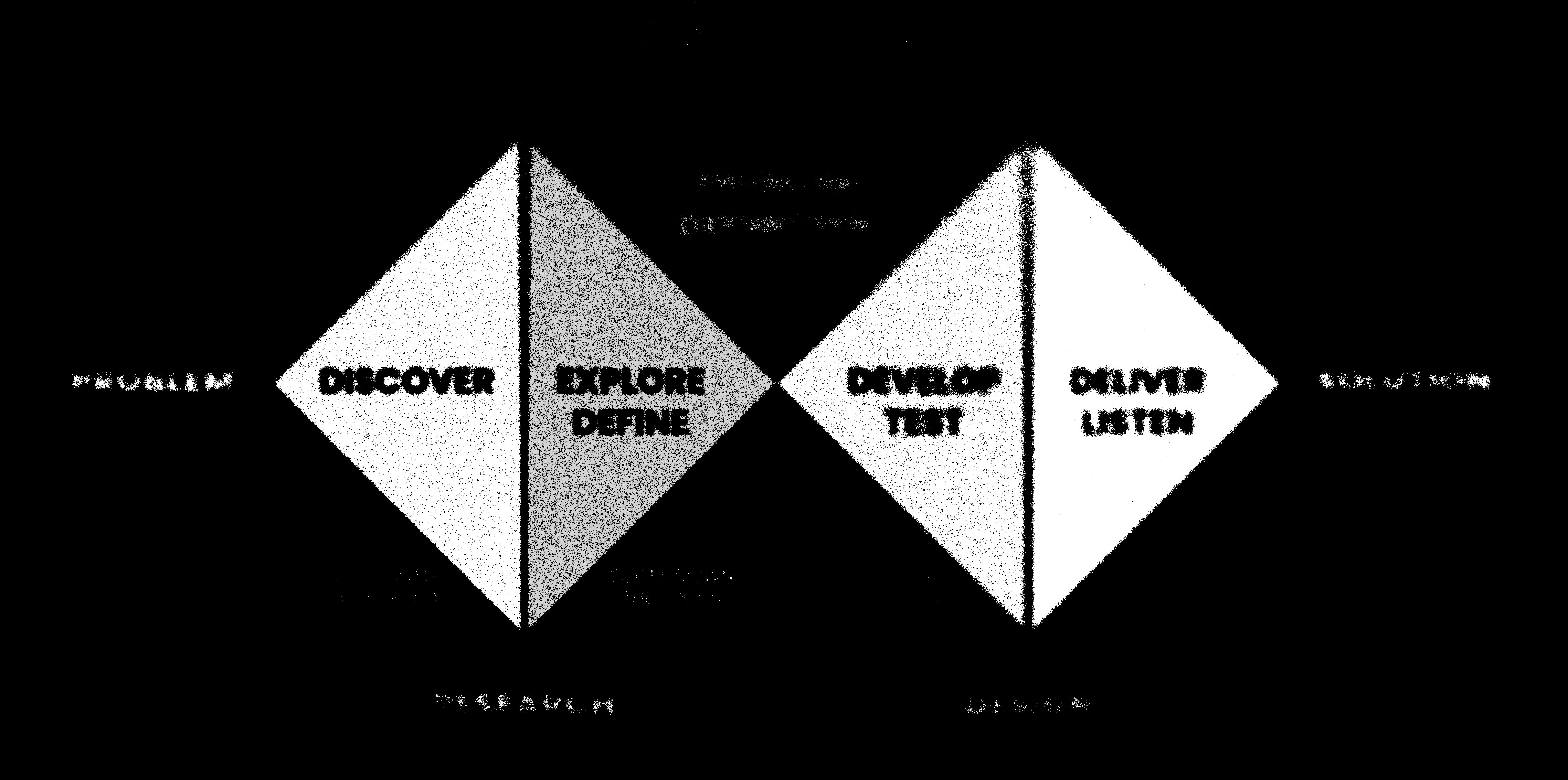
Design was never about the tools. It wasn’t about QuarkXPress or InDesign. It wasn’t about Sketch or Figma. And it’s not about Claude or ChatGPT. Design is a way of thinking, a process for solving problems. If your expertise was only ever about knowing the ins and outs of a specific application you’re running out of runway.
Might be confrontational, or then it’s clear for everyone already. If you ask me, AI is making the distinction between tool operators and actual designers painfully clear.
The conversation around AI and design tends to split into two camps. One side points at AI slop – the generic, soulless output that floods every platform – and concludes that AI can’t do design. The other side marvels at the speed and declares designers obsolete. Both miss the point. The quality gap won’t be between “AI-made” and “human-made.” It’ll be between directed and undirected. AI amplifies whatever you bring to the table. Someone with taste, intent, and a clear vision gets a superpower. Someone without gets faster at producing mediocrity.
The quality gap won’t be between “AI-made” and “human-made.” It’ll be between directed and undirected.
I’ll use my own experience as an example. I recently built my personal website. The old version of this process would have meant opening Figma, fighting auto layouts, iterating on static mockups, then handing off to development. Instead, I used Claude to discuss what I was building – the structure, the feel, what’s authentically me. Then I asked Claude to write a prompt for Google Stitch, a visual design tool. I directed Stitch to get the visual direction right. Then back to Claude Code to build it, directing the content, the interactions, the details. Yes, there’s some jumping between tools. But the speed is still remarkable, and the friction is minimal. The key insight: I never needed to master any single tool. I needed to know what I wanted and articulate it clearly enough to get there. The bottleneck was never the layout. It was the thinking.
This is what I mean by designers becoming creative directors rather than executioners. When AI handles execution, the value shifts entirely to direction – knowing what good looks like, having a point of view, making decisions that shape the outcome. The tools become interchangeable. The vision doesn’t.
So where does that leave designers? I see three paths forward.
The first is creative direction. Orchestrate AI tools toward your vision. The skill isn’t just prompting – it’s taste, judgment, and the ability to evaluate output critically. Can you look at what the AI produced and know it’s not right? Can you articulate why? Can you push it toward something better? That’s the job now.
The second is becoming more technical. Learn to vibe code. Understand how to create a pull request and make real production changes. I’m a product person, not a developer, and I’m building Design System-based React prototypes that I (and stakeholders) can click through and test. Designers who can do this – who can bridge the gap between concept and working software – become exponentially more valuable. Some companies already enable this. Far from all of them. But the direction is clear.
The third, ideally, is both. Direct the vision and ship the work. That combination is rare and powerful.
I want to be honest about what happens to pure execution skills. If your identity as a designer is built on pixel-perfect production work in a specific tool, that ground is shifting fast. AI can produce layouts, components, and visual assets at a speed and scale that execution-focused designers can’t match. This isn’t a future prediction. It’s happening now.
But here’s the nuance: craftsmanship won’t die. It’ll become a deliberate niche. Think about what happened with photography. Digital didn’t kill analogue – it turned analogue into a conscious choice. The analogue photography scene has been growing for years. We’re seeing similar signals in physical music, with people choosing vinyl over streaming, rejecting the algorithmic feed in favour of something intentional. For those contexts, AI slop won’t cut it. And we’re already seeing companies that are explicit about not using AI – proving that this was made by humans, for humans. Every major technological shift creates its own counter-movement, and some of those movements become genuine markets.
Made by humans, for humans.
But niche means niche. Print design, bespoke brand work, handcrafted visual identity – these will survive, and they’ll carry a premium. They won’t be the default path for most designers.
The uncomfortable truth is this: if you haven’t updated your understanding of what design means, there’s a real risk you won’t be able to call yourself a designer much longer. Not because the title goes away, but because the work changes underneath you. Design in the age of AI is less about producing artefacts and more about setting direction, making judgment calls, and knowing when the output is right. It always was, really. AI just removed the ambiguity.